Day 9 felt like the beginning of the home stretch.
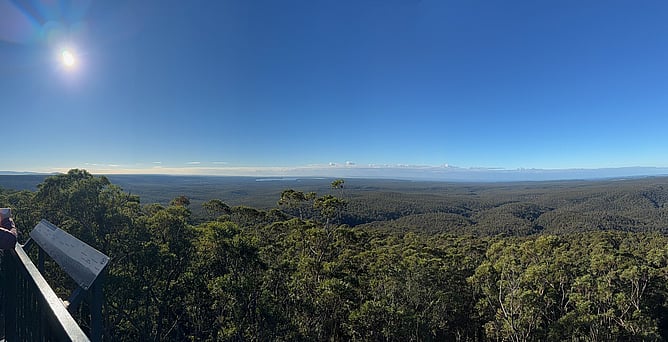
After the earlier part of the pilgrimage had brought rain, cold weather, hills, mud, bush tracks, hard walking and deep conversations, we were blessed with another fine day. What a way to start.
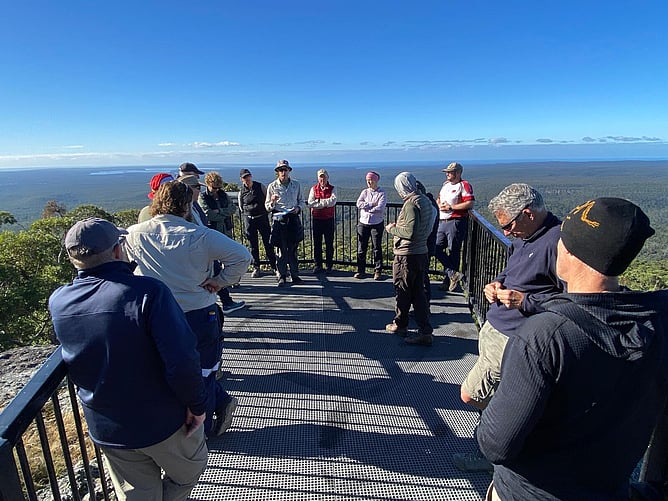
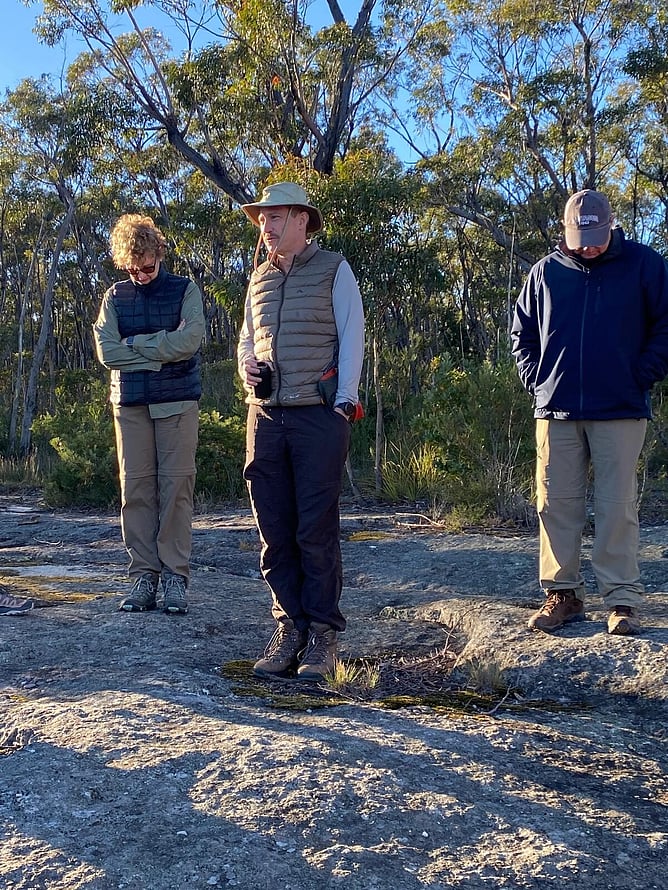
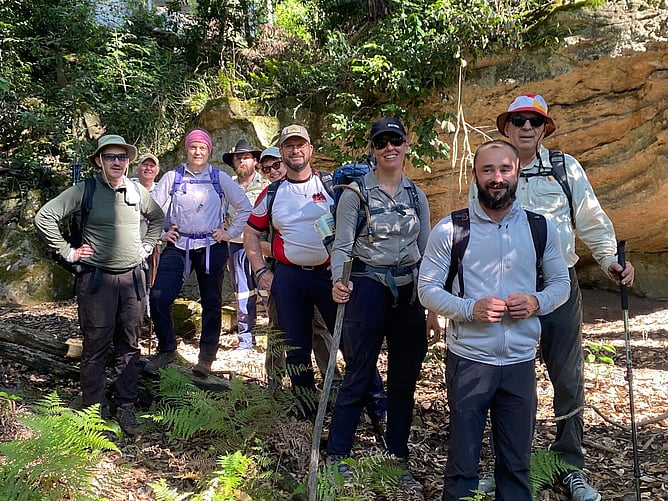
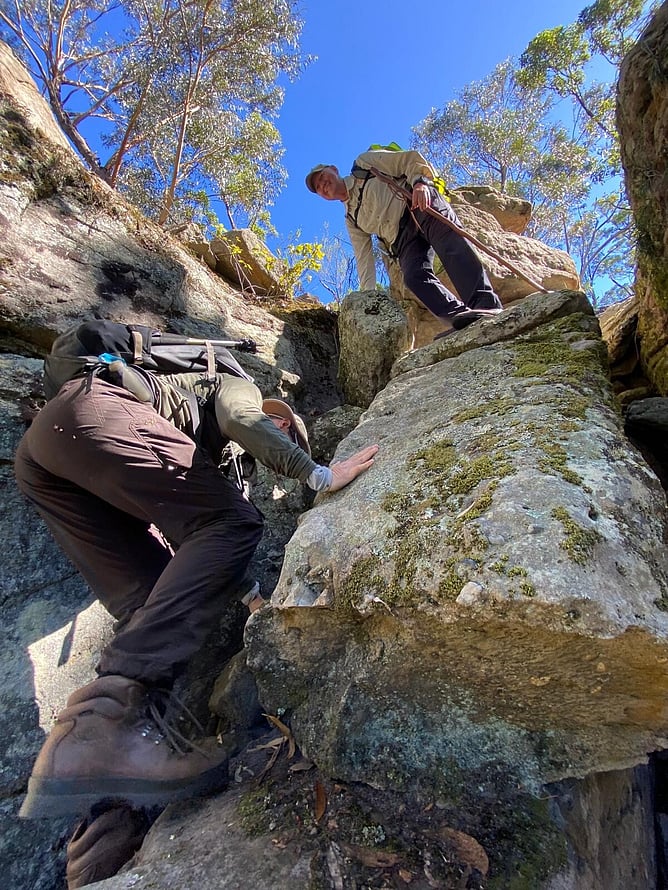
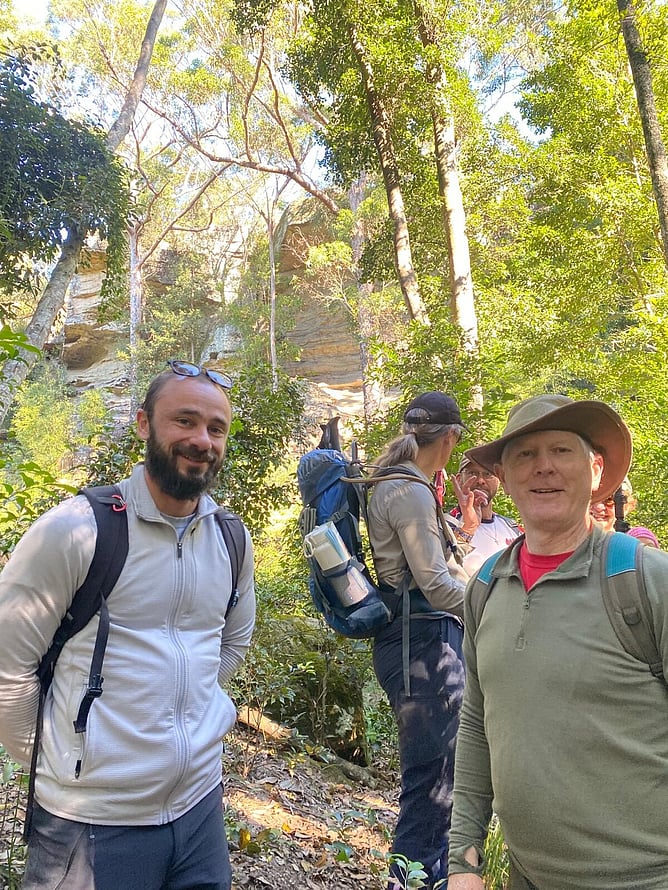
The team began at Tianjara Falls, where we shared the devotional, before moving on to Jerrawangala Lookout for breakfast and the story of HMAS Sydney. From there, we headed down through gaps in the cliff line and onto the fire trails.
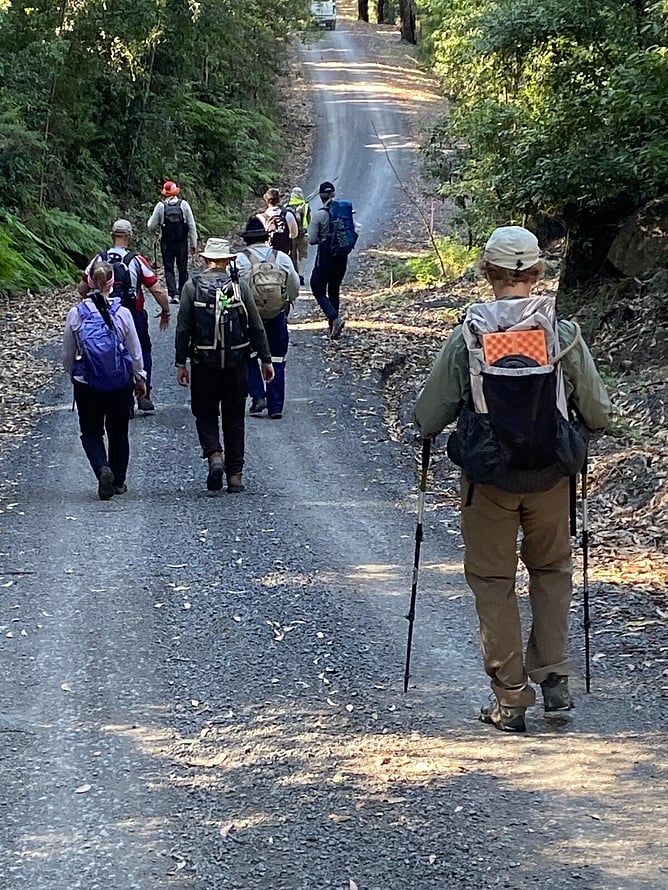
From there, the walkers followed the tracks toward the coast.
It was warm. The sky was clear. The walking was steady. And after the harder days earlier in the pilgrimage, this one felt like a gift.
Steve Neuhaus, a serving reservist Army Chaplain, described it simply:
“The day overall was quite spectacular weather-wise. Beautiful clear skies.”
Homecoming: The Hope of Heaven
The theme for Day 9 was Homecoming – The Hope of Heaven.
The devotional reflection drew from two powerful passages of Scripture.
In John 14:1–3, Jesus comforts his disciples with the promise that he is going to prepare a place for them, and that he will come again and take them to be with him.
In Revelation 21:1, 3–4, we are given the picture of God making all things new — a future where God dwells with his people, and where there is no more death, mourning, crying or pain.
For pilgrims nearing the end of a long journey, those words landed with real weight.
This was not just a day about getting closer to the physical finish line. It was about the deeper longing for things to be made right.
Cam’s reflection asked a simple but searching question:
What do you want to see made right — in yourself, in the world, and in God’s future?
That is not a small question.
For veterans, service people, families, chaplains and communities who carry grief, wounds, unfinished stories and memories of those who did not come home, the hope of heaven is not an abstract idea. It is the promise that God has not abandoned the story.
The Story of HMAS Sydney
The military reflection for the day centred on HMAS Sydney.
Across the different ships that have carried the name, the story of Sydney holds both triumph and tragedy.
The First World War HMAS Sydney became part of Australian naval legend through its success. But the later loss of HMAS Sydney II in 1941 remains one of the great tragedies in Australian naval history.
That loss reminds us that not every journey ends in return.
Some stories become part of a family’s grief. Some become part of a nation’s memory. Some become part of the identity of those who continue to serve.
Steve reflected on the way the name Sydney carries a bigger narrative across different ships, different crews, and different generations.
There were seasons of success. There were seasons of tragedy. There were also ordinary seasons of service — carrying out the task, doing the work, and being part of something larger than oneself.
For Steve, that connected with the Christian life.
Our lives are not all triumph. They are not all tragedy either. Most lives carry both — and a lot of ordinary, faithful days in between.
But through it all, there can be a consistent thread.
For Christians, that thread is the love and presence of God in Jesus Christ.
Steve put it this way: even when life moves through triumph, tragedy, or the ordinary work of simply keeping going, we can know we are part of a bigger story.
A Wedge-Tailed Eagle and a Moment of Reassurance
When asked about the best moment of the whole trip, Steve went back to an earlier stage of the pilgrimage near Mount Coree in the Brindabella National Park.
The group had been walking off-track near the edge of the mountain. Some of the pilgrims were finding the bush difficult. Steve was helping someone through a challenging section when a wedge-tailed eagle appeared nearby.
It came in close, held itself in the wind, and hovered at about the same height as the walkers.
For Steve, it was deeply meaningful.
His property is called Eagle’s Rest, and wedge-tailed eagles have become, for him, a sign of reassurance in difficult moments.
“God always seems to provide them at times when I need reassurance of his presence.”
That kind of moment is hard to explain unless you were there. But anyone who has walked through difficulty will understand the feeling — when something small, beautiful or unexpected comes at just the right time.
The Hardest Part of the Day
Day 9 was not the hardest walking day of the pilgrimage.
Steve described it as “pretty cruisy” from his perspective. The track was mostly downhill, the terrain was familiar, and the weather was kind.
But there was one section that needed care: walking along the Princes Highway for a few kilometres.
The group moved into single file and treated that section seriously.
It was a reminder that even on a good day, safety still matters. The pilgrimage may be spiritual and reflective, but it is also practical. Roads, traffic, fatigue and group movement all need attention.
Trees in the Rock
One of Steve’s most meaningful reflections came from a moment near Tianjara Falls.
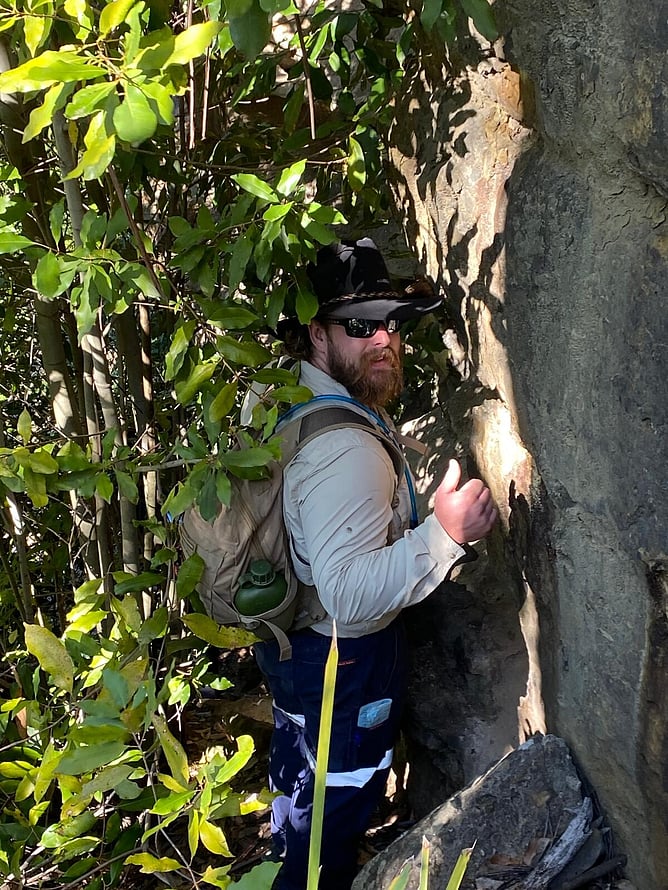
Looking out from the cliff edge, he noticed trees growing from cracks in the rock. Over time, those trees had pushed into the stone, slowly opening it through patience and persistence.
It struck him as a picture of Christian life and witness.
The rock was hard. The trees were soft. Yet, through steady perseverance, life was taking hold.
Steve noticed three trees growing in a line along a single crack. One tree by itself could make a difference, but three together had a greater effect.
For him, that became a picture of how Christians are called to live together in a hard world — not with force or aggression, but with patience, softness, persistence and care.
“The three trees were having far more effect together.”
There is something very fitting about that image for the ANZAC Way.
This pilgrimage is not just about individual endurance. It is about companionship. Walking together. Helping each other. Carrying one another through hard country. Providing shade, encouragement and strength when the day gets long.
Laughter Before Silence
Not every meaningful moment was serious.
Steve laughed when asked about the funniest moment of the day and said some things on pilgrimage probably needed to stay on pilgrimage.
Fair enough.
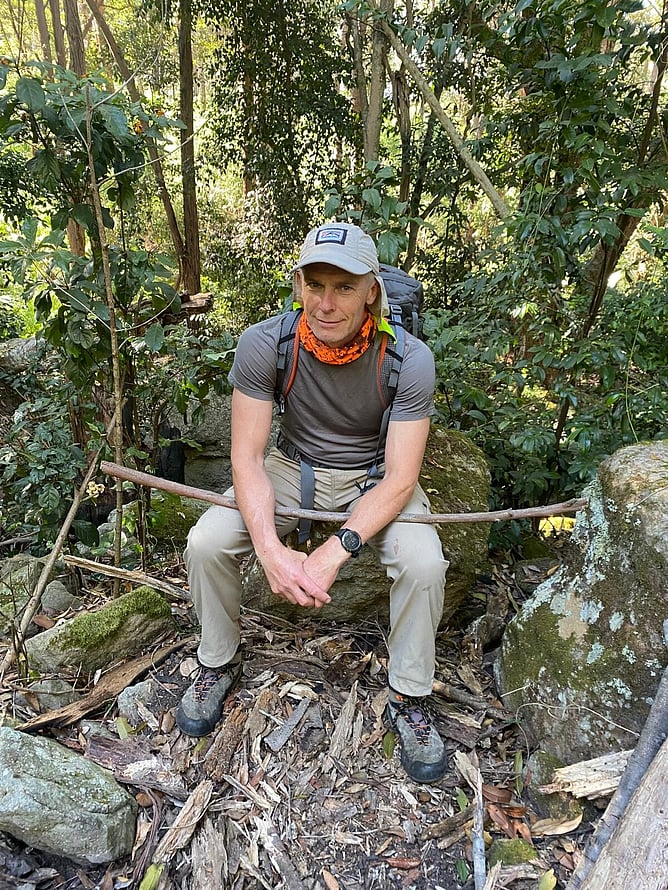
But he did say there was plenty of laughter around lunchtime. The group had eaten, relaxed, talked, and enjoyed the kind of banter that comes when people have spent days walking together.
Then, almost perfectly, that laughter gave way to the half-hour period of silence.
That is part of the beauty of this kind of pilgrimage.
There is room for both.
Laughter and silence. Banter and prayer. Sore feet and deep reflection. Big questions and ordinary jokes over lunch.
Nearing the End
Day 9 was a little over 20 kilometres.
Tomorrow would be shorter, but Day 9 felt like the final full stretch of the main walking phase.
After rain through the Tumut area and harder conditions earlier in the trek, the clear skies and warmer weather gave the group a sense of winding up well.
The journey was not over yet. But it was drawing close.
And on a day themed around homecoming, that mattered.
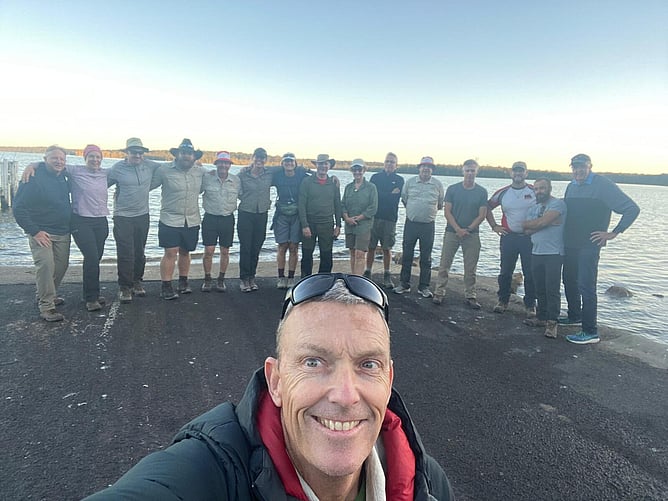
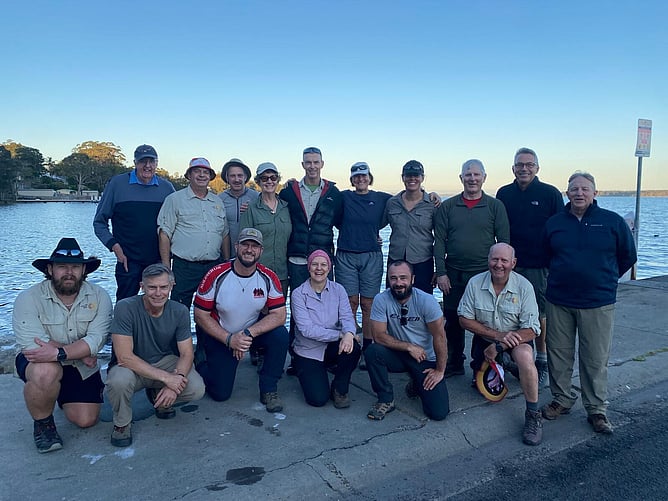
The pilgrims were heading toward the coast, toward HMAS Creswell, and toward the completion of the ANZAC Way 2026.
But the deeper reflection was this: every human journey carries longing. We long for return. We long for healing. We long for things to be made right.
The Christian hope says that longing is not foolish.
One day, God will make all things new.
Closing Reflection
Day 9 reminded us that homecoming is not just about reaching the end of the road.
It is about hope.
It is about remembering those who did not return.
It is about walking with those who still carry the weight of their journey.
It is about trusting that triumph and tragedy are not the whole story.
And it is about holding onto the promise that one day, God will dwell with his people, and all things will be made new.